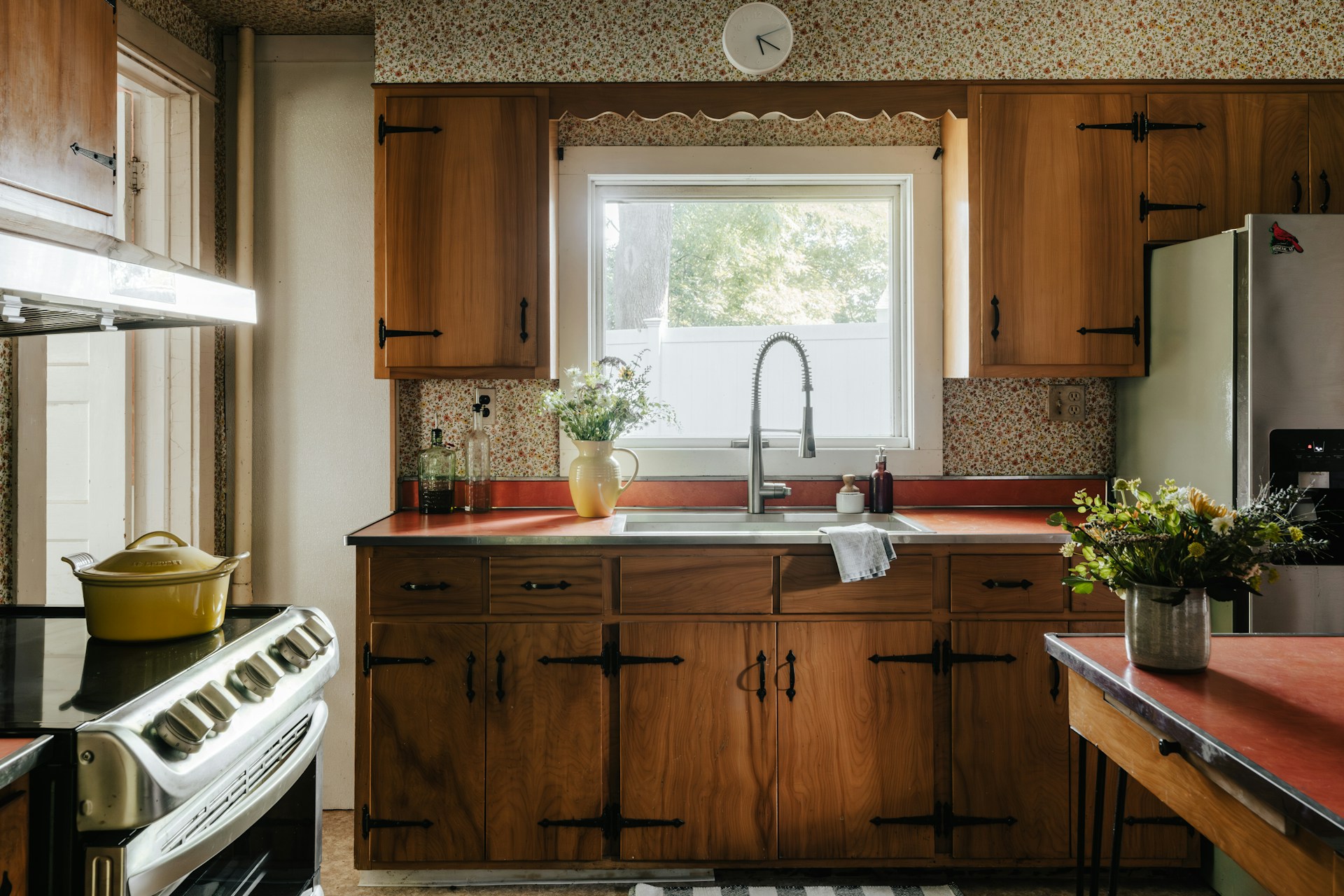
Water damage under kitchen sink cabinets is something most homeowners in Pukekohe or South Auckland deal with at some point. Whether it’s a slow drip from a pipe or a splash that never got wiped up, moisture build-up in this area is easy to miss. And once damage starts, it spreads fast. It can cause wood to swell, wear down finishes, and leave behind that unmistakable damp smell. What started as a small drip can eventually lead to warped shelves, peeling veneer, or worse—mould growth.
Keeping this space dry has more benefits than just keeping things tidy. It also adds years to your custom cabinetry and keeps the structure solid. Proper kitchen cabinet installation by professional cabinet makers in Pukekohe plays a big part in this. If the cabinets aren’t fitted right or there are gaps around the back panels, moisture has an easy way in. Since the area under the sink faces daily use and occasional spills, giving it the attention it needs can save a lot of trouble down the road.
Common Causes Of Water Damage Under The Sink
The space beneath your sink tends to be out of sight, out of mind—but it’s one of the most at-risk areas in your kitchen for moisture build-up. Most problems don’t happen all at once. They creep in slowly through small leaks, routine spills, or unnoticed drips.
Here are a few of the more common causes:
Leaky plumbing: Tiny cracks in joints, worn-out seals, or loose connections often go unnoticed, especially when they’re hidden at the back of the sink bowl.
Overflow or splashing: Washing up, rinsing veggies, or emptying containers can cause water to spill down the sides of the bench and into cabinet openings.
Condensation: In colder months, especially around Pukekohe, warm indoor air meets cold pipes and creates moisture that drips under the cabinet.
Faulty or rushed cabinet installation: If kitchen cupboard installation is done without proper waterproof sealing, exposed joints or gaps can trap water behind the structure. This not only damages the base but can also affect adjacent residential cabinets.
Seasonal humidity: Transitions between winter and spring bring damp conditions that can affect laminated boards or timber materials over time.
Even a few millimetres of standing water under a cabinet can soak into the material. Particleboard, common in many kitchen setups, swells when damp and doesn’t return to shape. That’s why professional cabinet installation with proper sealing is key to protecting your investment.
How To Spot Water Damage Early
Recognising issues under the sink can be tricky, especially if you don’t regularly clear the area or inspect behind bins and cleaning supplies. But there are early signs to watch for before things spiral into major damage.
Look out for the following:
Discolouration: Stains or patches on the cabinet baseboard or around pipe cut-outs are early warning signs.
Warping or swelling: If the bottom of the cabinet starts to bulge or feel soft, moisture has likely seeped in.
Bubbling or peeling: A peeling laminate usually means water has been absorbed underneath.
Musty smell: A stale or mouldy scent signals moisture build-up.
Persistent dampness: Cabinets that never dry out often hide a slow leak.
Clearing and checking the area every few weeks helps prevent damage. Early detection can save your custom kitchen cabinets before a small leak turns into a major repair.
Preventative Measures To Avoid Moisture Damage
Keeping the area under your sink dry takes more than an occasional clean-up. Giving it the same attention you give your benchtops or splashbacks helps extend the life of your cabinetry.
Here’s how to prevent moisture issues:
Inspect pipes and seals every couple of months for leaks.
Improve ventilation—keep cabinet doors open occasionally or use a small dehumidifier during Pukekohe’s damper months.
Avoid overcrowding the space under the sink.
When planning a kitchen renovation or custom kitchen design, ask your cabinet maker about moisture-resistant materials. Products like PVC edging, melamine finishes, and waterproof boards help protect your cabinets. During kitchen cabinet installation, ensure joins and cut-outs are sealed properly with silicone to block water ingress.
If you’re upgrading, choosing custom kitchen cabinets in Pukekohe made from water-resistant materials will save you from future repairs and keep your kitchen looking new for years.
When It's Time To Call A Professional
Sometimes the problem goes beyond what you can manage yourself. If soaked materials have mould or the boards are lifting, it’s time to bring in professionals. A skilled kitchen cabinet maker in Pukekohe can inspect for structural issues and create custom cabinetry designed for better moisture protection.
Custom cabinets aren’t just about looks—they’re designed to suit your lifestyle and local climate. For homes in South Auckland, where humidity and seasonal dampness are common, a custom kitchen design can prevent future damage through smart joinery and material choices.
If you’ve already repaired the same area multiple times, it’s likely time for a full upgrade. A cabinet maker near you will ensure the issue is fixed properly and won’t return.
Keeping Moisture Away for Good
No one wants to deal with a damaged cabinet under the sink, especially in a newly renovated kitchen. Avoiding moisture build-up means your cabinetry lasts longer, maintains its appearance, and adds to your home’s value.
Proper kitchen cabinet installation and regular maintenance go a long way in preventing long-term issues. With expert help from Cutting Edge Cabinetry, you can enjoy a functional, stylish, and durable kitchen all year round.
Protect your kitchen from water damage and keep it looking its best. Contact Cutting Edge Cabinetry, your trusted cabinet makers in Pukekohe, for quality custom kitchen cabinets and kitchen renovation services built to last.
.png)
.png)