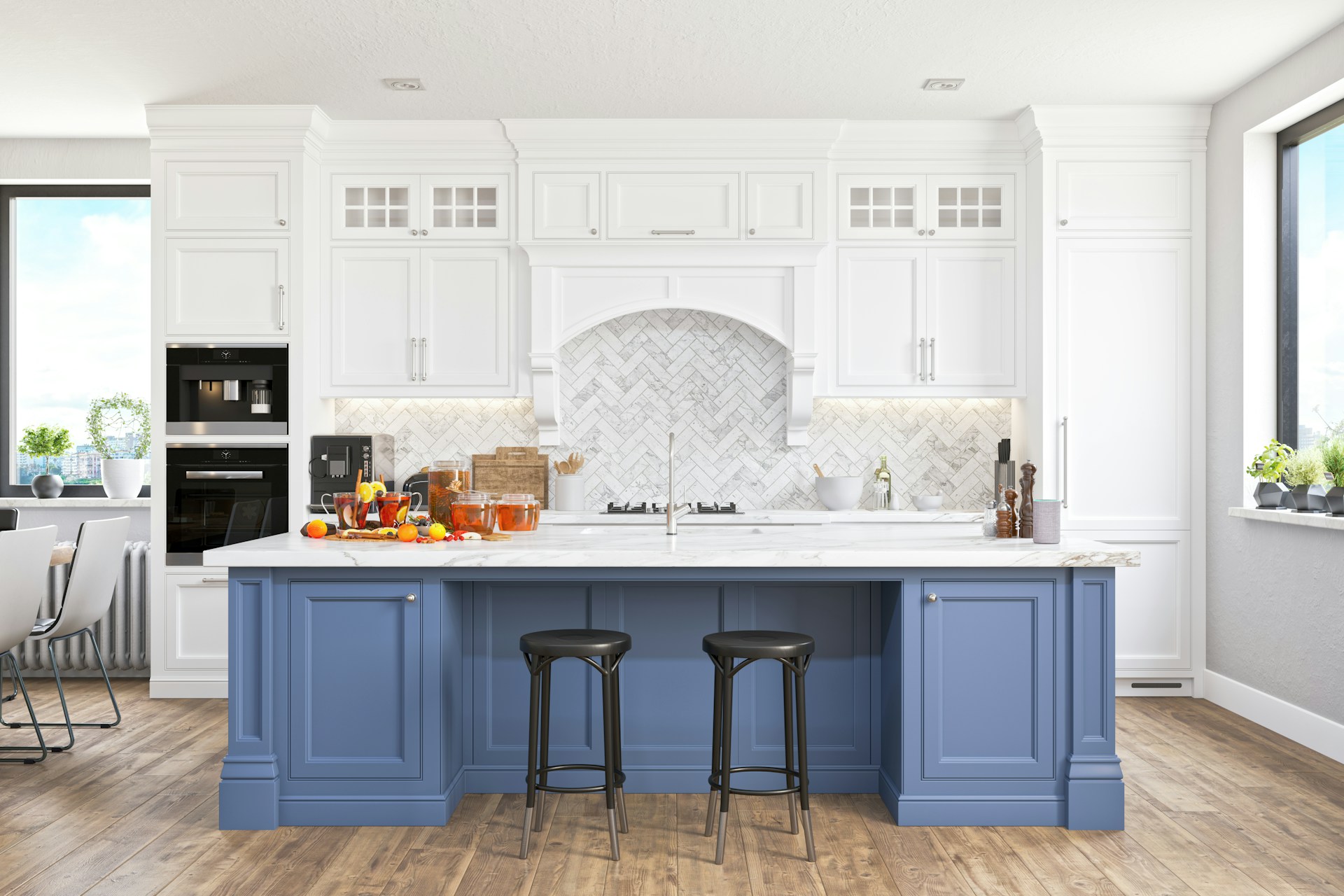
When building a new home, there’s a short window where great planning can make a long-term difference. Cabinet installation might seem like one of the later jobs, but for custom cabinetry, it actually starts much earlier if everything is going to flow properly. Picking finishes and colours is one part, but getting the layout right from the beginning affects how each room will function day to day.
Whether it’s a kitchen that needs to handle heavy use, a home office that needs tidy built-ins, or full-room fit-outs with storage that blends into the space, it all begins before the first cabinet is made. Our residential cabinets and custom cabinetry services in Pukekohe include kitchens, complete home fit-outs, custom storage for laundries and utility rooms, home offices, wardrobes, and vanities. Planning everything together from the start helps prevent delays, fix-ups, or awkward gaps once you move in.
Getting the Timing Right
Before any wood is cut or hardware is chosen, there’s a timeline to sort out with the builder. For new builds, we usually start our process with a consultation where we review your house plans, talk through custom kitchen design ideas, hardware and materials, and discuss your budget and preferred timeframe before moving into a 3D concept and quote. Cabinetry installation almost always follows structural work, so walls, flooring, and service connections need to be complete before installation can happen. Trying to rush cabinetry or squeeze it in too early often creates issues later.
One of the most common causes of delay is not accounting for holiday periods, especially around summer in New Zealand. Suppliers, manufacturers, cabinet makers, and builders often take time off between late December and mid-January. If the timeline doesn’t allow for that, you could be left waiting while the rest of the house sits ready.
Here’s what we recommend watching for:
• Don’t lock in cabinet installation until services are confirmed and walls are complete
• Talk to the builder or site manager about handover points between stages
• Leave breathing room in the schedule during and after the summer break so nothing gets rushed
Measurements Only Work Once the Site’s Ready
House plans are helpful early on, but they shouldn’t be the final guide for cabinet sizing. Actual site conditions can shift during construction. Walls aren’t always perfectly square, floor levels can vary slightly, and small changes during framing can affect how kitchen cabinets or built-ins fit later.
As experienced cabinet makers in Pukekohe, we always measure once the space is finished, lined, floored, and ready. This gives a true picture of what we’re working with and avoids mistakes that lead to delays or rework. It’s also a good time to check delivery access. Full-height or oversized custom cabinets may need special planning to get into the house.
Here’s how we make sure measurements are ready to go:
• Inspect finished wall surfaces and ceiling heights before finalising cabinet sizes
• Double-check flooring height and angles in case of slopes or variation
• Confirm that large pieces can be delivered or built in place if access is tight
Think Function Before Finish
It’s easy to get drawn straight into colours, handles, and finishes. But before choosing any of those, it helps to step back and think about how the space will actually be used.
In a kitchen renovation or new kitchen build, for example, deciding where major appliances go affects the entire cabinetry layout. In a home office, knowing whether you need drawers, open shelving, or hidden storage will shape how practical the space feels day to day. Grouping cabinets around real tasks makes the layout work better and avoids wasted space.
Think practically about daily use:
• Do you need soft-close drawers where kids are involved?
• Are deep pull-out shelves useful for corner storage?
• Is extra storage more valuable, or does the room need to feel open?
Once the layout works, finishes can follow. The best custom cabinets always start with function.
Coordinating Trades Around Cabinetry
Cabinet installation overlaps with multiple trades, including stone benchtops, splashbacks, plumbing, and electrical work. Good coordination keeps the project moving and prevents misalignment.
Before installation, there should be clear drawings showing cabinetry positions, appliance gaps, and service locations. If any of those details change during the build, the drawings need to change too. This is essential for kitchen cabinet installation and full-home cabinetry projects.
A few key things to confirm early:
• Who is supplying and installing appliances like ovens, cooktops, and sinks?
• Will electricians or plumbers complete final fittings before or after cabinetry?
• Is there enough clearance behind or under cabinets for servicing later?
Each cabinet is part of a wider system. Our team pre-assembles cabinetry in our workshop and, when needed, works closely with plumbers, electricians, and other trades so everything is ready on installation day.
Choosing Materials That Handle the Local Climate
Summers in Auckland and the Waikato are warm and humid, while winters are cool and damp. These conditions can affect cabinetry if materials aren’t chosen carefully.
High-use areas like kitchens, bathrooms, and laundries need moisture-resistant materials. Sun-exposed spaces also need finishes that won’t fade or discolour over time. As kitchen cabinetry specialists in Pukekohe, we select materials that suit both the space and the local climate.
To keep cabinetry performing well long term:
• Use moisture-resistant board in wet zones
• Choose durable, high-wear finishes for kitchens and busy family areas
• Avoid finishes that struggle with strong summer light
Materials should suit how the home behaves year-round, not just how it looks on day one.
More Than Just Looks: Cabinets That Do the Work
Once installed, cabinets become permanent fixtures. That’s why early planning matters so much.
We design custom cabinetry around real living habits. Slide-out pantry drawers, deeper under-desk storage, or integrated appliances can all make everyday routines easier. These details may seem small, but they have a big impact once the home is lived in.
A quality cabinet installation should:
• Avoid awkward gaps or wasted corners
• Open and close smoothly, even after years of use
• Sit naturally within the room without overwhelming it
Good cabinetry supports how a home works, not just how it looks.
Built to Fit the Way You Live
Planning cabinet installation for a new home is about more than measurements and finishes. It’s about understanding how the space will function long after handover.
Timing, sizing, materials, and coordination all contribute to a practical, polished result. When done well, custom cabinets bring structure and flow to kitchens, offices, and living spaces throughout the home.
If you’re planning a new build or kitchen renovation in Pukekohe, Auckland, or the wider Waikato region, Cutting Edge Cabinetry designs and installs cabinetry that fits the way people really live. From custom kitchen cabinets to full-home fit-outs, our team guides the process from concept through to installation. Learn more about our cabinet installation services or get in touch to start planning your project.
.png)
.png)