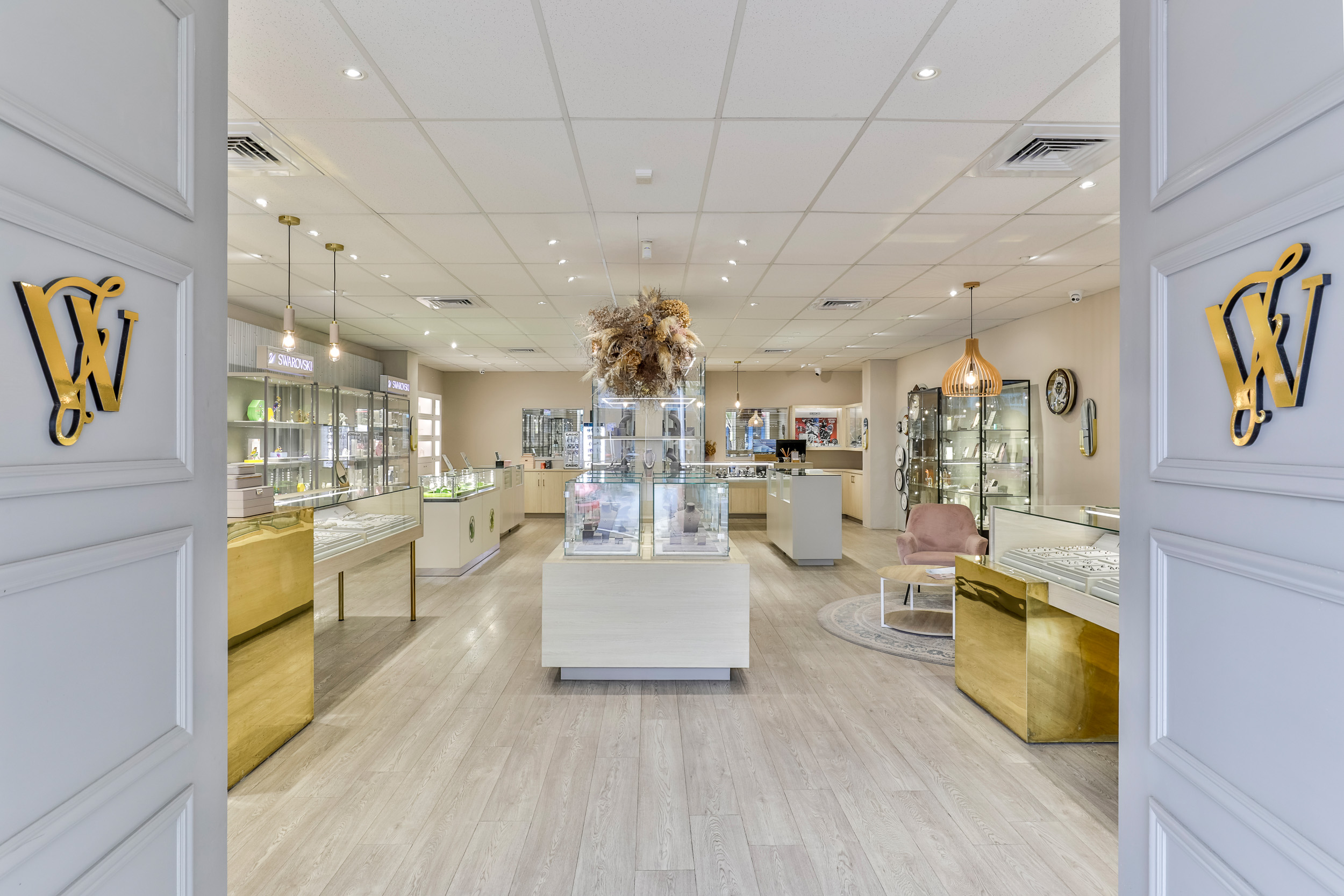
Cabinetry is often the first thing people notice when they step into a space. The reception counter, the bar front, the display shelving, the clinic storage — all send a message about your brand long before anyone speaks to a member of your team. Smart commercial cabinetry does far more than hold stock and files. It shapes how clients feel and how your staff work every single day.
Across Auckland and Waikato, more businesses are choosing custom cabinetry as they refresh their interiors ahead of busy trading periods and new business plans. When you treat cabinetry as part of your brand experience — not an afterthought — your commercial fitout becomes smoother, faster and far less stressful. At Cutting Edge Cabinetry, we design, manufacture and install from start to finish from our Pukekohe base, and we see how early planning keeps projects on track and reduces disruption to your business.
In this article, we will walk through how to plan custom cabinetry and cabinets that fit neatly into your next commercial fitout — covering brand, budget, workflow, materials and coordination with other trades so you can upgrade your space with confidence.
Clarifying Your Commercial Space, Brand and Budget
Before looking at colours and handles, it helps to be clear on what you actually need your space to do. Different businesses have different goals, such as:
- Improving staff workflow and speed
- Encouraging customers to stay longer and feel comfortable
- Supporting better organisation in busy back-of-house areas
- Meeting sector standards in healthcare, beauty or hospitality
Once you know your main goals, you can match your cabinetry to your brand identity. A premium clinic might lean toward clean lines, calm colours and easy-clean finishes. A fast-paced retail space might want bold display units and durable counters that stand up to high use. A relaxed hospitality venue could focus on warm textures, open shelving and feature fronts that feel welcoming.
Brand alignment often shows up in details like:
- Timber tones or solid colours that reflect your logo and interior scheme
- Hardware that feels sleek and minimal, or classic and tactile
- Door styles that are flat and modern, or more detailed and traditional
Budget is another key piece. Your choices around custom versus modular units, local versus imported materials, and the quality of hardware will all influence both the upfront spend and how long everything lasts. Talking with your cabinetry team early helps you:
- Set a practical scope that fits your commercial fitout plans
- Avoid design ideas that are hard to build or install
- Reduce the risk of changes partway through, which can add time and cost
A clear brief on your space, brand and budget gives your project a solid base and keeps everyone working toward the same result. It is the same process we follow for residential projects — from modern kitchen design to office storage and shelving — and it works just as well at a commercial scale.
Planning Storage and Workflow for Busy Commercial Environments
Good-looking cabinetry is not enough on its own. In commercial spaces, the layout has to support daily work. We like to start by mapping what actually happens in the space:
- How staff move between work zones during a normal day
- Where customers enter, wait, browse and pay
- What happens at peak times and where things get crowded
- Which items need fast access and which can be stored away
From there, you can decide on the right mix of open shelving, closed cupboards, drawers and feature displays. Reception areas might need hidden storage for paperwork with a clean front. Retail spaces often mix closed storage below with open display above. Hospitality venues may want glass racks, bottle storage and under-bench cabinets that keep service flowing.
Different industries also bring specific needs. Commercial kitchens, medical and dental practices often require:
- Hygienic, easy-wipe surfaces
- Clearly separated clean and dirty zones
- Secure storage for restricted items
Retail or hospitality spaces might focus on:
- Lockable cabinets and drawers for valuables
- Heavy-duty fittings in back-of-house zones
- Display units that can be refreshed quickly
Ergonomics plays a big part too. Bench heights, reach zones and access for different staff members should reduce strain, not create it. Thoughtful planning can:
- Set bench heights that suit standing or seated work
- Keep everyday items between shoulder and hip height
- Allow enough toe and knee space where staff sit or lean
Flexible cabinetry is also worth considering. Adjustable shelving, modular units and reconfigurable display pieces make it easier to adapt to growth, seasonal layouts or new services without major building work.
Choosing Materials and Finishes That Last the Distance
Commercial cabinetry needs to hold up under constant use. The right materials and finishes will handle cleaning, knocks and regular movement while still looking good for years.
Common choices for busy commercial fitout spaces include:
- Moisture-resistant boards for areas near sinks or cleaning zones
- Durable laminates that resist scratching and are easy to wipe
- High-quality hardware that copes with frequent opening and closing
- Bench and counter surfaces chosen for impact and stain resistance
Local conditions around Auckland and Waikato — including humidity and coastal air — can influence what will perform best. In glazed shopfronts, high UV exposure can affect some finishes more than others, so it helps to choose materials that keep their colour and strength under bright light.
Balancing looks with durability is always important. You can still achieve a premium feel while prioritising practical benefits such as:
- Non-porous surfaces in food preparation or clinic areas for easier cleaning
- Rounded edges where public contact is frequent
- Finish choices that hide minor marks in high-traffic spots
Compliance is another part of material selection. Depending on your industry and building type, you may need to think about:
- Fire-rated materials in certain areas
- Health regulations for commercial kitchens, hospitality or healthcare when it comes to surfaces and storage
- Slip resistance for any integrated cabinetry elements people may step on
Talking through these requirements early with our Pukekohe team helps avoid costly changes late in the build and keeps your commercial fitout aligned with local codes and expectations.
Coordinating Your Cabinetry Within the Wider Fitout
Cabinetry design does not sit on its own. It has to work with lighting, power points, plumbing, flooring and wall finishes. Locking in your cabinetry and cabinet plans early allows other trades to position services exactly where they are needed — reducing clashes and on-site changes.
Key coordination points include:
- Power and data outlets for counters, workstations and displays
- Plumbing for sinks, dishwashers and basins that sit inside cabinetry
- Floor and wall finishes that need to run under or behind units
Accurate site measures and clear drawings make a significant difference. When your cabinetry team provides detailed plans, builders, electricians and plumbers can prepare ahead of time and installation usually runs more smoothly.
Scheduling is also part of a seamless commercial fitout. Off-site manufacture means much of the work happens away from your premises. Cabinetry can then be brought in during:
- Staged installation windows
- After-hours or low-traffic periods
- Planned shutdowns or refit breaks
Common problems like late design changes and underestimated lead times can affect the whole project. Early decisions and open communication between your cabinetry team, designer and main contractor help keep everything running to plan and limit disruption to your business.
From Concept to Completion With Cutting Edge Cabinetry
At Cutting Edge Cabinetry, we support commercial fitout projects from first ideas through to final fit-off across Pukekohe, Auckland and Waikato. A typical project starts with an initial consultation to discuss your space, brand and goals. From there, we develop design concepts and 3D visuals so you can clearly see how your custom cabinetry will look and function.
Once the design is agreed, we help you choose materials and finishes that suit both your brand and your day-to-day use. Our team then manufactures your cabinetry at our Pukekohe workshop and coordinates with other trades to plan a smooth installation that works around your schedule. Because we are local, we are familiar with common building practices across Auckland and Waikato, and work closely with architects, interior designers and main contractors to keep projects aligned.
The same expertise we bring to residential custom cabinetry — from kitchen cabinets and kitchen renovation services to laundry design and wardrobe design — underpins every commercial fitout we deliver. Planning your commercial fitout with cabinetry in mind from the very start sets you up for a space that looks right, works well and supports your business for years to come.
Get Started With Your Commercial Fitout Today
If you are planning a commercial refurbishment or a new workspace, our team at Cutting Edge Cabinetry can help you create a tailored solution that works for your team and your customers. Explore how our commercial fitout services and custom cabinetry can streamline your project from design through to completion across Auckland and Waikato. We focus on high-quality workmanship, practical layouts and finishes that last. Ready to discuss your plans? Simply contact us and our Pukekohe-based team will be in touch to talk through your next steps.
.png)
.png)